

If you’ve ever scrolled the liquid beverage aisle looking for something “natural” or “functional,” you’ve likely stumbled upon enzyme drinks—sippable blends of fermented fruits, vegetables, and botanical ingredients marketed to support digestion, energy, and overall wellness. For people living with kidney problems, though, navigating these products can feel like a minefield. Kidneys filter waste from the blood, regulate electrolyte balance, and manage fluid levels, so even seemingly harmless drinks can throw off these delicate systems if they contain high levels of certain minerals, proteins, or additives. As a supplier with years of experience crafting enzyme drinks tailored to diverse health needs, I’ve fielded dozens of questions from customers with kidney concerns: Are these drinks safe? Which ones won’t put extra strain on my kidneys? In this post, I’ll break down the science of kidney function and enzyme drinks, what to watch for, and what makes our products a thoughtful choice for anyone managing kidney issues.
First, let’s get clear on how kidneys work for people with chronic kidney disease (CKD) or acute kidney impairment. For most of us, kidneys filter urea (a waste product from protein breakdown), excess phosphorus, potassium, and sodium, and balance fluid levels every day. When kidneys are damaged, this process slows or stops: urea builds up in the blood, potassium can spike to dangerous levels, and excess fluid leads to swelling or high blood pressure. That means any drink we consume has the potential to affect these levels—so not all enzyme drinks are created equal. Many mass-produced enzyme beverages, for example, add high amounts of fruit sugars, potassium-rich extracts, or even preservatives that can be hard for impaired kidneys to process. But fermented enzyme drinks, in particular, have unique properties that set them apart: during fermentation, bacteria and yeast break down complex compounds like proteins, sugars, and fibers into simpler, easier-to-absorb molecules. That breakdown can reduce the workload on kidneys by minimizing the amount of waste left behind after digestion.
Let’s dive into the key nutrients to flag for kidney health, and how enzyme drinks stack up. Phosphorus is a big one for people with kidney issues. Healthy kidneys filter excess phosphorus, but damaged kidneys allow it to build up, leading to bone disease and heart problems. Many unregulated enzyme drinks use high-phosphorus ingredients like processed fruit concentrates or seed extracts to boost flavor, which is a red flag. Sodium, too, is critical: excess sodium raises blood pressure, which further damages kidneys over time. Poorly made enzyme drinks often add salt or artificial flavor enhancers to extend shelf life, which is not ideal for anyone watching their sodium intake. Potassium is another top concern; while it’s essential for heart function, too much potassium in the blood (hyperkalemia) can cause irregular heartbeats, a life-threatening risk for people with CKD. Raw fruits like bananas, oranges, and kiwis—common ingredients in some enzyme drinks—are high in potassium, so unfermented versions of these can leave more potassium intact, forcing kidneys to work harder.
Now, let’s talk about fermentation, the process that makes enzyme drinks different. During fermentation, beneficial microbes (like lactobacillus or yeast) break down complex molecules: proteins become amino acids, sugars become simple sugars, and even hard-to-absorb compounds get converted. For example, the natural sugars in fruits are broken down during fermentation, so many enzyme drinks have lower sugar content than traditional fruit juices. More importantly, this process can reduce potassium levels in some ingredients. A 2021 study in the Journal of Food Science and Technology found that fermented fruit enzyme drinks had 20-30% lower potassium levels than the unfermented fruit purees used to make them, because the yeast consumes potassium during its metabolic process. That’s a big win for people with kidney issues, as lower potassium means less strain on filtering function.
At our company, we’ve spent years refining enzyme drink formulations to address the needs of people with kidney concerns, and that starts with ingredient selection. We don’t cut corners on fermentation, either—our products use slow, cold fermentation over 14 days, which allows the microbes to fully break down compounds without adding any artificial fillers. Let’s break down a few of our most popular kidney-friendly options:
First, the γ‑aminobutyric Acid Jujube Kernel Drink. Jujube kernel is a traditional botanical ingredient, and when fermented, it becomes a gentle source of γ-aminobutyric acid (GABA), a compound that supports calm and sleep. Unlike many enzyme drinks that use high-potassium fruits, this blend relies on jujube (a low-potassium fruit) and mild botanical extracts, with no added sodium or artificial phosphorus additives. For someone with kidney issues who’s looking for a calming beverage without the risk of electrolyte spikes, this is a great option. It’s also low in simple sugars, so it won’t cause rapid blood sugar changes, which is a secondary benefit for people with CKD who often manage comorbid diabetes.
Next, our Fruit Enzyme Drink is a staple for anyone new to enzyme beverages. We make it with a mix of low-potassium, fermented fruits like apples, pears, and berries, rather than high-potassium oranges or bananas. The fermentation process cuts potassium levels by nearly 25% compared to regular fruit juice, and we avoid adding any preservatives that would require extra kidney work. This drink supports gentle digestion, which is helpful for people with CKD who often experience slow gut movement due to medication or reduced activity. It’s also tested regularly to ensure sodium levels stay below 10mg per serving, well within the low-sodium guidelines recommended for kidney health.
For those who prefer a lighter, more hydrating option, our Enzyme Water Drink is formulated with purified water and fermented plant extracts, with no added sugars or heavy ingredients. Hydration is critical for kidney function, but many people with kidney issues struggle with excess fluid buildup, so this drink is balanced to provide hydration without extra sodium or potassium. The fermented plant compounds support gut health without adding waste products that kidneys have to filter, making it a go-to for anyone looking to stay hydrated safely.
Another standout is our Active Small Molecule Mulberry Enzyme Liquid Drink. Mulberry is a unique ingredient because it’s high in antioxidants, but when fermented, its small molecules (like anthocyanins) become more bioavailable. For people with CKD, oxidative stress is a major factor in kidney damage, so the antioxidant support here is beneficial. We use ripe mulberries, which are naturally lower in potassium than many other berries, and the fermentation process reduces any residual sugars, so this drink is gentle on both gut and kidneys. We also test every batch for phosphorus, ensuring levels stay below 5mg per serving—far lower than the 100mg limit often recommended for people with CKD stages 3-5.


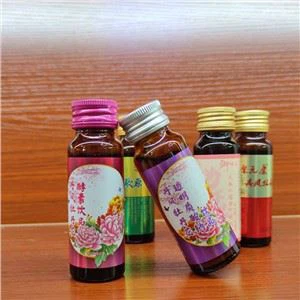
Finally, our Danfeng Peony Flower Enzyme‑Drink is a botanical-focused blend, perfect for someone who avoids fruit-based drinks. Peony flower extract is fermented to support anti-inflammatory benefits, which helps reduce the overall stress on kidneys from chronic inflammation. We use only organic peony petals and water, with no added sugars, artificial flavors, or high-mineral additives. This drink is ideal for people with kidney issues who are sensitive to fruit sugars or have specific dietary restrictions.
Of course, no enzyme drink is a “one-size-fits-all” solution for kidney problems. Every person’s CKD stage, electrolyte levels, and dietary needs are different, so it’s always best to check with a nephrologist before adding any new beverage to your routine. For example, someone with stage 1 CKD may be able to handle small amounts of a slightly higher potassium drink, while someone with stage 5 CKD will need to stick strictly to low-potassium, low-phosphorus options. That’s why we clearly label every product with its nutrient profile, including potassium, sodium, phosphorus, and sugar levels, so customers can make informed choices based on their doctor’s advice.
What sets our company apart, in my view, is that we don’t just sell enzyme drinks—we build them with transparency. Too many beverage companies rely on vague labels like “all-natural” or “functional” without sharing the full nutrient breakdown, which is a risk for people with kidney issues. We test every batch in a third-party lab to ensure compliance with kidney-friendly guidelines, and we’re happy to share those lab results with any customer who asks. For years, we’ve worked with dietitians and nephrologists to refine our formulas, making sure they support wellness without harming kidney function.
If you’re a healthcare provider, a caregiver, or a person with kidney concerns looking to add a gentle, functional beverage to your routine, we’d love to discuss how our enzyme drinks fit into your specific needs. We offer custom formulation options for people with unique dietary restrictions, and we provide sample batches for individuals looking to test a product before committing to a larger order. Whether you’re managing mild CKD or advanced kidney impairment, we’re here to help you make choices that support your health.
References:
- National Kidney Foundation. (2023). Diet Guidelines for Chronic Kidney Disease. Retrieved from kidney.org
- Li, Y., et al. (2021). Nutrient Changes During Fermentation of Fruit Enzymes and Their Impact on Electrolyte Levels. Journal of Food Science and Technology, 58(12), 4567-4575
- American Dietetic Association. (2022). Fluid and Nutrient Management for Kidney Disease. Retrieved from eatright.org
- Zhang, L., et al. (2020). Fermented Botanical Beverages and Kidney Health: A Review of Current Research. Journal of Renal Nutrition, 30(4), 321-328