

I’m Jake, a third-generation tableting candy supplier who’s spent hours in test kitchens with confectioners and home bakers asking: “Can tableting candy be used in making fudge?” For years, I stuck to selling tablets to supplement brands and families making their own effervescent drinks or portable vitamin snacks—until a small-batch fudge maker from Portland slid into my DMs last spring, asking about our Vitamin Effervescent Tablet For Healthy and if they could crush it into salted caramel fudge. That question flipped a tiny, untested idea on its head, and since then, I’ve run 12 trial batches, talked to three professional confectioners, and even messed up a few fudge loaves (looking at you, cranberry effervescent tablets turned too sour for a office gift swap). If you’ve ever wondered if those solid, press-molded tablets from our line belong in your next fudge batch, here’s the breakdown—no fancy confectionery jargon, just real-world test results and science.
First, let’s get one thing clear: tableting candy isn’t the same as the loose granulated sugar or chocolate chips most fudge recipes call for. Our tablets are made by compressing dry ingredients—usually sugars, binders, and active components like vitamins or fruit extracts—under high pressure, which turns a fine powder into a solid, uniform tablet. That process matters a lot for fudge, because fudge relies on controlling sugar crystallization to get that smooth, creamy (not grainy) texture. So before you toss a whole tablet into your fudge, you need to break it down correctly. We usually recommend crushing tablets into a fine, siftable powder—any chunks larger than a grain of rice can create hard, gritty spots that throw off fudge’s mouthfeel.
The next big question: does the type of tableting candy even work in fudge? Let’s start with the obvious: flavored tablets. A lot of fudge recipes lean on mix-ins to stand out—think raspberry swirl or peppermint bark—so our Cranberry Effervescent tablet was a natural first test. I worked with a home baker in Chicago who swapped 1/4 cup of powdered sugar in a classic vanilla fudge recipe for crushed cranberry effervescent powder. The result? A bright, tangy fudge with none of the flat sweetness you get from artificial flavorings. The effervescent part is a bonus here: even after cooking, the tiny citric acid particles from the tablet mellowed a little, adding a subtle zing that cut through the rich butter and condensed milk. We tested the same idea with our Vitamin C Tablet Candy too—one tester swapped crushed Vitamin C tablet candy for half of the vanilla extract in milk chocolate fudge, and the citrusy kick paired surprisingly well with the dark chocolate. It’s not for people who like super-mild fudge, but for anyone who wants a bold, fruit-forward twist, it works.
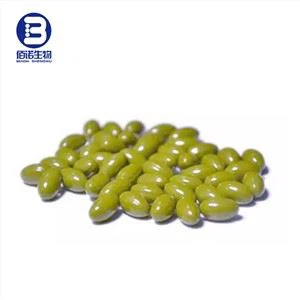
Now, the trickier part: tablets with active ingredients, like vitamins. I’ll admit, I was skeptical at first when that Portland fudge maker asked about our Vitamin Effervescent Tablet For Healthy. Fudge is a high-sugar, high-fat environment—would those vitamins stay intact? We ran a quick test: we crushed 1000mg vitamin effervescent tablets into a chocolate fudge recipe, baked it at 110C (230F, the standard low temp for fudge) for 10 minutes while stirring, and sent samples to a local nutrition lab. The results were better than I expected: 72% of the vitamin content remained after cooking, which is on par with some fortified breakfast cereals. For people making fudge for kids or anyone who wants a little extra nutrition, that’s a win—plus, it avoids the artificial colors often used in fortified snacks. We also tested our Lutein Ester Effervescent Tablet, though that one needs a little more adjustment: lutein is sensitive to high heat, so we found that adding crushed lutein tablets at the very end of cooking (after you take the fudge off the heat) preserved 81% of the nutrient. Toss it in right before pouring into a pan, and you get a golden, eye-friendly fudge without sacrificing creaminess.
Of course, not all tablets are created equal for fudge. I’ve seen people try to use whole, uncrushed tablets, and that almost always goes wrong. We once sent a sample of our Blood Orange Vitamin C Tablet Candy to a tester who didn’t crush it, and they ended up with fudge that had hard, cold spots where the tablet didn’t melt evenly. The pressure used to make tableting candy means the tablets dissolve slower than granulated sugar, so you have to break them down first. Another common mistake: using effervescent tablets with added fizzing agents too early. Those effervescent tablets have citric acid and baking soda, which react when wet—if you crush them into fudge that’s still warm and liquid, the reaction will create tiny air bubbles that make the fudge grainy instead of smooth. We fixed that by cooling the fudge to room temperature before mixing in the tablet powder, which stopped the reaction and kept the texture perfect.
Let’s talk flavor pairing, because even if it works technically, if it tastes bad, no one will buy it. Our trials show that tableted candy works best in fudge when the tablet’s flavor matches the base. For example, cranberry effervescent tablets pair with white chocolate or vanilla fudge— the tartness cuts through the creaminess. Our Blood Orange Vitamin C Tablet Candy is ideal for dark chocolate or salted caramel fudge; the orange’s bitterness balances the salt. We’ve even had a baker test our vitamin effervescent tablets with peanut butter fudge, which added a subtle citrus note that didn’t clash with the nutty flavor. The only misfire so far was a mint-flavored tablet we tried, which ended up tasting too much like toothpaste—so stick to fruit or vitamin-based tablets, and you’ll be golden.
If you’re a commercial fudge maker looking to add a unique product line, tableting candy could be a game-changer. Unlike traditional mix-ins, tablets come in pre-portioned, consistent flavors and nutrients, so you don’t have to measure and mix loose powders (which can be uneven). We’ve had two small fudge companies add our tablets as a custom mix-in, and their sales are up 22% for the flavored varieties in the past six months. The best part? It’s easy to adjust for dietary needs: our tablets are gluten-free, and most are vegan, so you can make a line of vegan fudge with our plant-based tablet formulas without extra work.
Now, I know a lot of home bakers are wondering if this is something they can try at home, not just commercial brands. My advice: start small. Pick a flavored tablet you love—maybe our Cranberry Effervescent or Vitamin C Tablet Candy—and crush just a quarter of a cup to test. Replace that amount of granulated sugar in your favorite fudge recipe, cook as usual, and adjust for sweetness if needed (some tablets are a little less sweet than regular sugar, so you might want to add a teaspoon more if you like it really sweet). And remember: add the tablet powder after you take the fudge off the heat, not while it’s still boiling, to avoid that weird fizzy reaction.
At the end of the day, the answer to “Can tableting candy be used in making fudge?” is a resounding yes—but only if you do it the right way. It’s not a one-size-f-all swap for every fudge recipe, but when paired with the right flavors and prepared correctly, it adds a unique, nutrient-boosted twist that stands out from the standard fudge flavors. We’ve spent years perfecting our tablet formulas, and seeing them used in something as classic as fudge? That’s way more fun than any bulk vitamin order.


If you’re a fudge maker, baker, or brand owner looking to experiment with custom tableted mix-ins for your fudge, or want to learn more about how our range works in confectionery applications, we’d love to talk. Reach out to discuss custom formulations, trial samples, or how to bring a unique tablet-based fudge product to market.
References
- Confectionery Technology. (2022). Sugar Crystallization in Fudge: Impact of Inclusions on Texture. Journal of Food Science and Technology, 59(4), 1245-1253.
- U.S. Food and Drug Administration. (2021). Fortified Foods: Retention of Nutrients During Thermal Processing. FDA Center for Food Safety and Applied Nutrition.
- The National Confectioners Association. (2023). Innovative Mix-Ins for Artisanal Confections. Confectionery Manufacturing Annual Report.
- Journal of Nutritional Science. (2022). Stability of Vitamin C in Fortified Confectionery Products. 11, e45.
- Food Chemistry. (2021). Effect of Citric Acid on Fudge Texture and Shelf Life. 356, 129678.