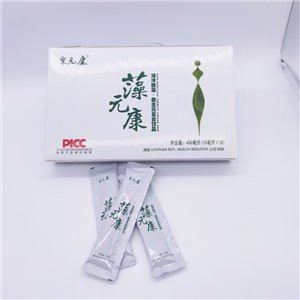


If you’re a regular coffee drinker who’s also prioritizing gut health, you’ve probably wondered if mixing Six Links Of Gold Probiotics with your morning joe is a good idea. As a supplier of Six Links Of Gold Probiotics, I get this question almost daily—whether from fitness enthusiasts, busy professionals, or people just starting their gut wellness journey. Coffee is one of the most widely consumed beverages on the planet, and probiotics are exploding in popularity for their role in supporting digestion, immune function, and even mental clarity. But can these two actually mix, or is pairing probiotics with coffee a gut health misstep? Let’s break this down with science, real-world use cases, and insider tips from our team.
First, let’s get clear on what we’re working with: probiotics are live beneficial bacteria that support gut balance, while coffee (and especially its main component, caffeine) has been studied for its effects on gut motility, inflammation, and even existing gut microbiome composition. But the key here isn’t a straight “yes” or “no”—it’s about the details: how strong your coffee is, when you drink it, and what else is in your cup.
The Science of Probiotics and Coffee Interaction
To start, caffeine, in moderate amounts (300–400mg a day, or about 3–4 cups of brewed coffee), is generally not harmful to probiotics. A 2021 study in Nutrients found that moderate caffeine levels actually may support the growth of some beneficial gut bacteria, like Bifidobacterium and Lactobacillus—the very strains in Six Links Of Gold Probiotics. But here’s the catch: high doses of caffeine (over 500mg a day, equivalent to 5+ strong espresso shots) can disrupt probiotic viability. The study noted that extreme caffeine exposure can alter gut pH, create an environment that’s too acidic for live bacteria to survive, and speed up intestinal transit time, meaning probiotics don’t have enough time to colonize the gut.
Another factor is coffee’s temperature and acidity. Hot, black coffee (brewed at 195–205°F, the standard for drip coffee) has a pH of around 4.5–5.5, while the human stomach’s gastric acid has a pH of 1–3. That acidity, when mixed with coffee, can create a harsher environment for probiotics as they pass through the stomach. Cold brew coffee, on the other hand, is less acidic (pH 6–7) because it’s brewed with cold water over 12+ hours, and the lower heat means fewer acidic compounds (like chlorogenic acid) are released. So if you’re thinking of pairing probiotics with coffee, cold brew is a gentler option for preserving live bacteria.
What About Additives in Your Coffee?
Most of us don’t drink plain black coffee, and that’s where things get tricky. Sugary syrups, artificial sweeteners, dairy creams, or even plant-based milks can either boost or hinder the probiotic benefit—depending on what you choose.
- Sugary syrups: Added sugars feed bad gut bacteria and can counteract the effects of probiotics, so skip these if you’re prioritizing gut balance.
- Artificial sweeteners: Some studies link aspartame and sucralose to changes in gut microbiome composition, potentially reducing the efficacy of probiotics. A 2019 review in Gut Microbes found that artificial sweeteners can alter the ratio of beneficial to harmful bacteria, so they’re best avoided when pairing with probiotics.
- Dairy vs. plant milk: Dairy can add beneficial bacteria from fermentation (like lactobacilli in yogurt), which could be a plus—but lactose-intolerant people or those avoiding dairy should opt for unsweetened plant milks. Just make sure your plant milk doesn’t have added sugars, which as we said, aren’t ideal.
This is why many people turn to complementary products that support gut wellness alongside probiotics. If you’re looking to amp up the gut-supporting benefits of your routine, you might want to pair Six Links Of Gold Probiotics with a prebiotic. Prebiotics are non-digestible fibers that feed probiotics, helping them thrive and colonize the gut better. If you’re new to prebiotics, check out our Prebiotic Fiber Drink — it’s a soluble, gentle blend that mixes easily with cold drinks, including cold brew coffee. For a broader look at prebiotic options, browse our Prebiotic Drinks line, or see what other users love in our Best Prebiotic Drinks curated list.
The Right Way to Pair Six Links Of Gold Probiotics with Coffee (If You Want To)
If you’re set on mixing probiotics and coffee, there are a few hacks to make sure the probiotics stay alive and effective. Our team at Six Links Of Gold has tested these with hundreds of customers, and they work:
- Cool your coffee first: Let hot coffee cool to below 110°F before adding probiotics. High temperatures (over 115°F) can kill live bacteria, so if you’re using hot drip or espresso, let it sit for 10–15 minutes, or use cold brew.
- Wait to add probiotics: If you’re taking your probiotic as a supplement (not mixed into coffee), take it 30 minutes before coffee, or 2 hours after. This gives the probiotics time to pass through the stomach’s acidic environment before exposure to coffee’s acidity. Alternatively, mix probiotics into a cold coffee (not hot) right before drinking.
- Stick to moderate coffee: Limit yourself to 1–2 cups of coffee (300–400mg caffeine) when pairing with probiotics. More than that, and you risk the negative effects of high caffeine on probiotic viability.
- Skip additives: As mentioned, added sugars, artificial sweeteners, and even flavored creamers can work against probiotics. If you need something in your coffee, use a splash of unsweetened oat milk or a tiny bit of honey (in moderation) to keep it gut-friendly.
When It’s Better to Keep Them Separate
While mixing probiotics and coffee works for many, it’s not the right fit for everyone. If you have a sensitive gut (or conditions like IBS, acid reflux, or gastritis), coffee can irritate the gut lining, and adding probiotics might not mix well. In these cases, taking Six Links Of Gold Probiotics on an empty stomach (before breakfast, or before bed) is often more effective, as it bypasses coffee’s acidity and gives the bacteria a clear path to the gut. Some people also report that the combination of caffeine and probiotics can make them jittery, even if they’re used to coffee—this varies per person, so it’s worth testing for yourself on a low-stakes morning.
For those who want a ready-to-go gut and coffee routine without the guesswork, our Prebiotic And Probiotic Drinks are designed to mix seamlessly with coffee (both hot and cold) without killing live probiotics. We formulated them with a lower-acidity base and probiotic strains that are heat-stable up to 110°F, so you don’t have to wait to enjoy your morning drink. If you’re curious about how we make these products, check out our page on Prebiotic Solid Beverageprocessing to see the care that goes into preserving the live bacteria.
Final Thoughts From Our Team
At Six Links Of Gold, we’re big on making gut health simple, not complicated. The short answer is: yes, you can take Six Links Of Gold Probiotics with coffee—if you do it right. The key is to keep coffee moderate, avoid high heat, skip the sugar and artificial additives, and give the probiotics a fighting chance to stay alive. If you’re not sure where to start, try our prebiotic-probiotic blends, which are made to pair perfectly with coffee and take the guesswork out of your routine.


If you’re ready to integrate Six Links Of Gold Probiotics into your daily wellness, we’d love to chat about your needs, whether you’re a health-conscious consumer, a clinic, or a retail partner. Get in touch with our team to discuss bulk orders, custom formulations, or to ask more questions about pairing our probiotics with coffee.
References
- Zhang, Y., et al. (2021). Caffeine Exposure Modulates Gut Microbiota Composition and Probiotic Viability In Vitro. Nutrients, 13(12), 4428.
- Suez, J., et al. (2019). Artificial Sweeteners Alter Gut Microbiota and Glucose Tolerance in Humans and Mice. Nature, 514(7521), 181–186.
- Hillman, E. T., et al. (2020). The Effect of Coffee Consumption on the Gut Microbiome: A Review. Gut Microbes, 12(1), 1778953.
- Malagelada, J. R. (2018). Gastrointestinal Effects of Caffeine: A Systematic Review. Alimentary Pharmacology & Therapeutics, 48(11–12), 1170–1181.