


Shandong Benon Bio-Technology Co., Ltd. is one of the most reliable manufacturers and suppliers of custom-made milk multi‑vitamin calcium tablets in China. With abundant experience, we warmly welcome you to buy customized custom-made milk multi‑vitamin calcium tablets at competitive price from our factory. If you have any enquiry about cooperation, please feel free to email us.
comparison of product parameters
| Product Name | Milk Multi‑Vitamin Calcium Tablets |
| Product Specification |
0.8g*60 |
| Product Ingredients | Goat Milk Powder, Calcium Carbonate, Maltodextrin, Vitamin D3, Vitamin B1, Vitamin B2, Vitamin B6, Vitamin C, Magnesium Stearate, Microcrystalline Cellulose. |
| Directions for Use and Recommended Intake | Take 2 tablets once daily, chew and consume. |
| Box Specifications | -- |
| Unsuitable Populations | Infants, pregnant women and lactating women |
| Shelf Life | 18 months |
| Storage Conditions | Store in a cool, ventilated and dry place. Avoid high temperature and direct sunlight. |
| Sampling Lead Time | After sample confirmation and finalization of order details and production plans, the lead time is about 45 days (including customs declaration and all export procedures). |
| Minimum Order Quantity | Email for inquiries |
| Customization Capability | Vitamin C Nutritional Support, Oral Beauty Care, Daily Wellness Maintenance, Supports Men's Health, Vitamin D3 Supplement, Supports Liver Health, Nattokinase |
| Payment Terms | We accept T/T, West Union and L/C at sight. |
Milk Multi‑Vitamin Calcium Tablets: The Hard Part Isn't the Calcium-It's Everything Around It
A milk calcium chewable sounds straightforward: take a dairy-derived mineral source, add a vitamin premix, compress it into a tablet, and put it in a bottle. In practice, that sequence describes three separate engineering problems-bioavailability positioning, vitamin stability, and regulatory identity-each of which can sink a product before it reaches a shelf.
Start with what the calcium story actually says
Milk calcium carries a natural marketing advantage: it sounds gentler, more "food-like," and more absorbable than calcium carbonate. The evidence is more nuanced. A classic New England Journal of Medicine study measured net calcium absorption from whole milk at 31 ± 3%, statistically similar to calcium carbonate (39 ± 3%), calcium citrate (30 ± 3%), and other salts in fasting healthy adults. Milk calcium is not a bioavailability shortcut; it is a positioning choice-one that appeals to consumers who prefer a dairy-origin mineral over a mined or synthetic salt. That distinction matters for how the product is framed: "dairy‑derived" and "food‑familiar" are defensible; "better absorbed than other calcium" is not, absent formulation-specific data.
Where milk calcium does earn its keep is in the matrix. Dairy calcium arrives alongside lactose, milk proteins, and naturally occurring minerals that can support utilization through complementary mechanisms. The formulation question is whether the finished tablet preserves that matrix advantage or reduces milk calcium to a label ingredient. If the calcium source is a refined milk mineral powder, the matrix benefit is partial at best; if it remains closer to a whole dairy ingredient, the story is stronger-but the taste and compressibility challenges grow accordingly.
The vitamin layer is where formulation gets difficult
A multi‑vitamin chewable is not a calcium tablet with vitamins sprinkled in. Vitamins introduce taste, stability, and compatibility problems that calcium alone does not. B‑vitamins are bitter; vitamin C is acidic and degradation‑prone; certain mineral–vitamin combinations can catalyze off‑notes or discoloration during shelf life. Patent literature on chewable multivitamins repeatedly identifies poor mouthfeel, bad palatability, and instability of vitamin potency as the core unresolved trade‑offs.
Direct compression-the most common route for chewable tablets-compounds the problem. Vitamin premixes often have poor compressibility, leading to capping, lamination, or weight variation during tableting. Formulators frequently rely on wet granulation or roller compaction of the vitamin fraction before blending with the calcium and excipients, or use a separated‑layer tablet structure to keep incompatible actives apart. A brand evaluating a contract manufacturer should ask a direct question: is the vitamin premix granulated, or is the entire formula run through direct compression? The answer predicts whether the tablet will hold together at scale and whether vitamin potency will survive 12–18 months on shelf.
The regulatory decision that changes the label-and the claim space
"Tablet candy" (压片糖果) and "dietary supplement" are not interchangeable categories. In China, a milk calcium multi‑vitamin tablet that carries high‑dose nutrient fortification or uses ingredients outside the scope of the general tablet‑candy standard (SB/T 10347) cannot simply adopt that standard; it requires a custom food‑safety enterprise standard filed with the provincial health commission. Forcing a high‑calcium, multi‑vitamin formula into the generic candy standard creates downstream risk: platform delisting, administrative penalties, and labeling challenges.
In the US and EU, the fork is similar but framed differently. A dietary supplement label requires a Supplement Facts panel, permits structure/function claims with the DSHEA disclaimer, and allows higher nutrient levels than a conventional food. A conventional food label requires a Nutrition Facts panel, restricts claims to authorized nutrient‑content or health statements, and may not accommodate the same fortification levels. The EU adds another layer: calcium and vitamin D claims are authorized only in specific, pre‑approved wording-for example, "calcium and vitamin D help to reduce the loss of bone mineral in post‑menopausal women," with a minimum daily intake condition attached. None of this can be retrofitted after artwork is approved. The regulatory category determines the claim set, the panel format, and the permissible dose-and it should be locked before the first stability batch is made.
Customization parameters that separate a viable SKU from a costly lesson
For private‑label partners, the adjustable variables are tablet weight and shape, flavor direction (milk‑forward, vanilla, or fruit‑masked to manage vitamin notes), sweetener system (sugar‑free options using erythritol or maltitol are feasible but affect compressibility), and calcium‑to‑vitamin ratio. The less visible but more consequential variables are vitamin premix form (spray‑dried vs. granulated), lubricant selection (magnesium stearate can retard dissolution; alternative lubricants may protect chewability), and packaging moisture barrier (chewable tablets are hygroscopic, and vitamin potency is humidity‑sensitive). A manufacturer holding SC certification covering tablet candy and experience with custom enterprise standards is a baseline requirement for the China‑origin route; for export, cGMP, ISO 22000, and HACCP documentation should be verified per lot.
Bottom line
Milk multi‑vitamin calcium tablets succeed or fail on decisions that rarely appear on the front of the pack: whether the calcium story is told honestly, whether the vitamin fraction is engineered for stability and compressibility, and whether the regulatory category is chosen to fit the formula rather than the other way around. The brands that treat these as formulation and compliance variables-not marketing copy to be sorted out later-will have a product that survives shelf life, label review, and consumer scrutiny.
Call to action: Request the formulation specification, vitamin premix granulation details, and regulatory‑category options for the Milk Multi‑Vitamin Calcium Tablet line.
Standardized Production, Traceable Quality

IS0 9001:2015 Standard
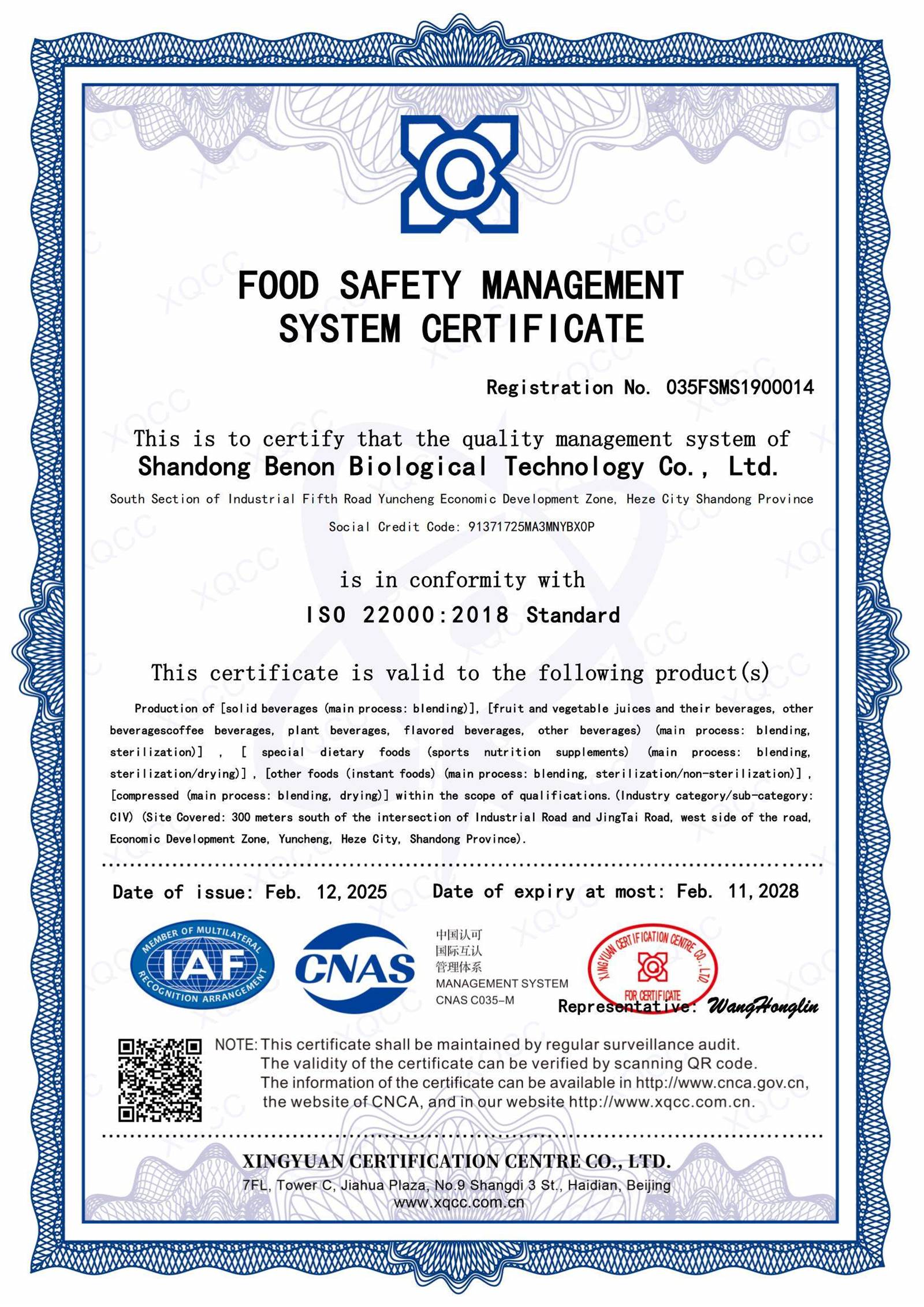
ISO 22000:2018 Standard
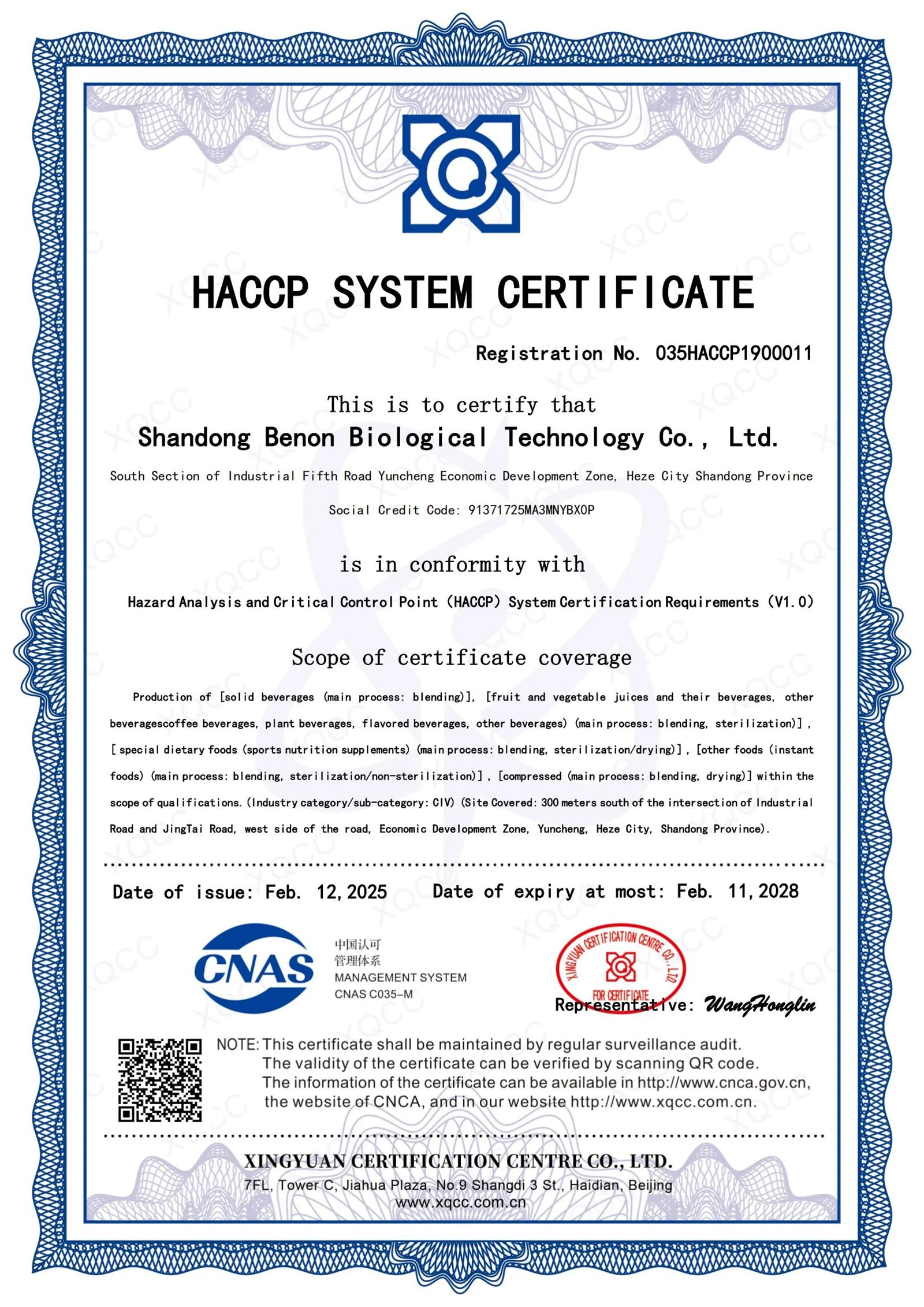
HACCP SYSTEM CERTIFICATE

FDAU.S.Food and Drug
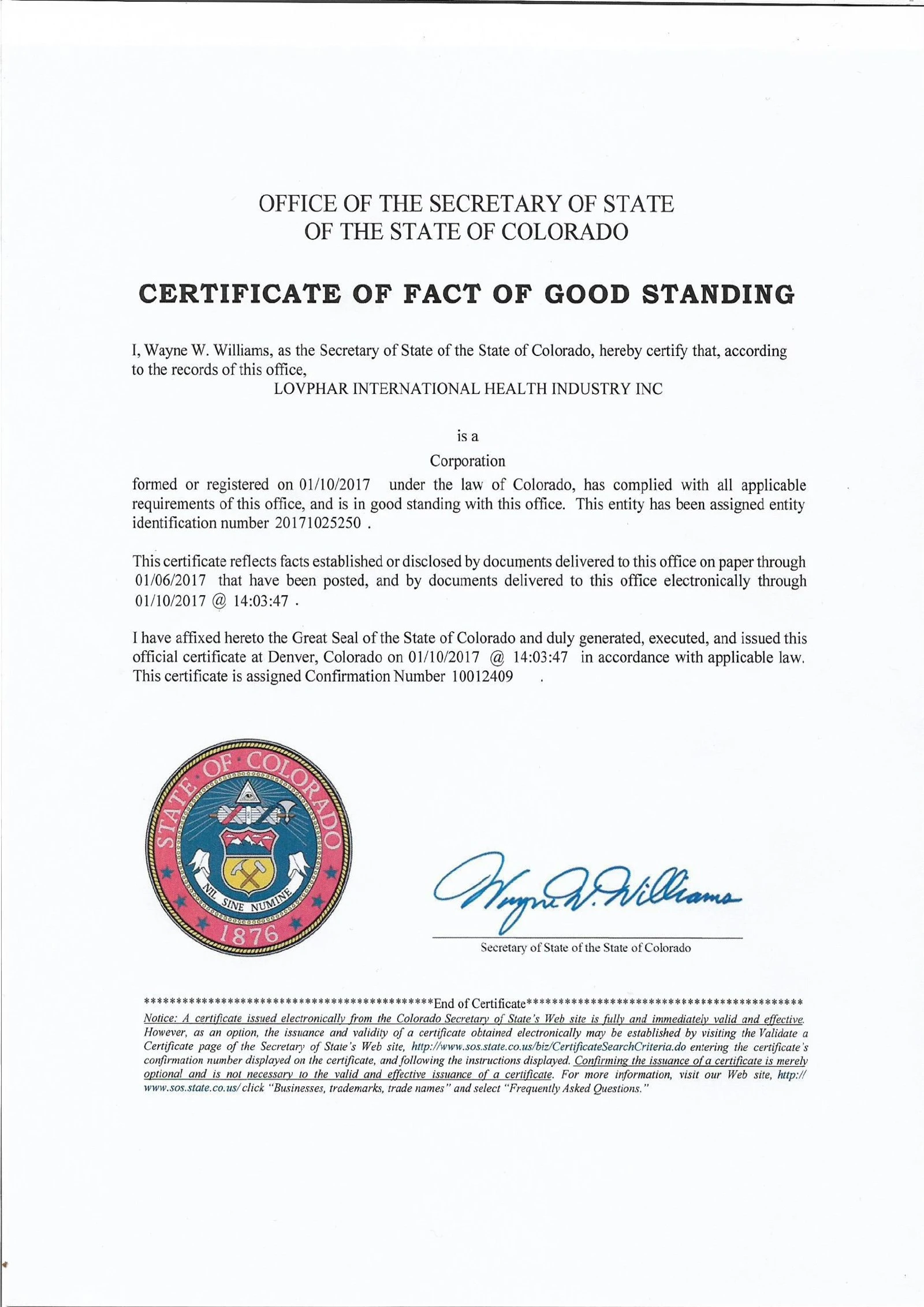
CERTIFICATEOF FACTOFGOOD STANDING
Record Form for Foreign Trade Operator Filing
Hot Tags: custom-made milk multi‑vitamin calcium tablets, China custom-made milk multi‑vitamin calcium tablets suppliers, factory, Blaeberry Tablet Candy, Custom made Lutein Ester Tablet Candy, Lutein Ester Table Candy, ODM OEM Lutein Ester Tablet Candy, Private Label Lutein Ester Table Candy, Private Label Spirulina Tablet Candy


